
 By Julliette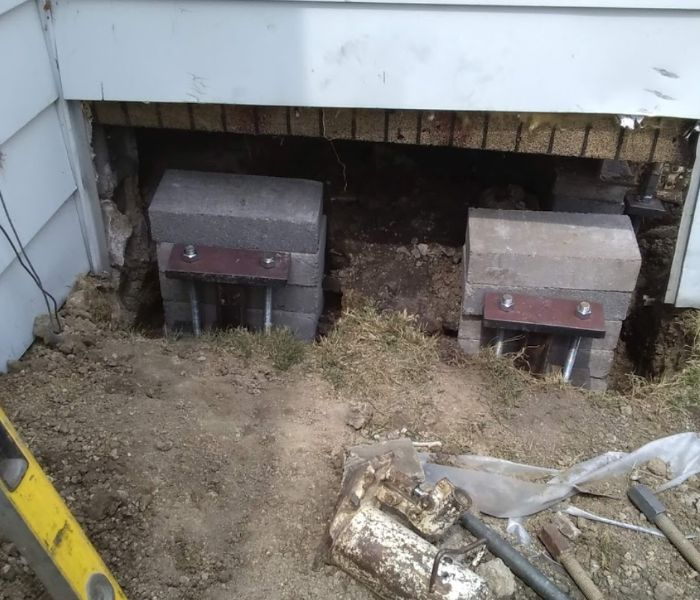
Your home’s foundation is what keeps the structure strong, level, and secure. Over time, environmental changes, moisture levels, and soil conditions can take a toll, leading to cracks, uneven floors, or sinking walls. When these signs appear, homeowners often wonder not just how to fix the problem, but when to schedule the work for the best results.
Many homeowners turn to foundation repair New Baltimore when they notice signs of damage such as wall cracks or sticking doors. While foundation repair can be performed year-round, certain seasons make the process easier, faster, and more effective. Choosing the right time of year allows for smoother scheduling, stable soil conditions, and long-lasting results.
Understanding how weather patterns affect soil movement and foundation performance helps determine the ideal repair timeline for your home.
How Weather Impacts Foundation Performance
The soil around your home expands and contracts with changes in temperature and moisture. These shifts place constant stress on the concrete foundation, eventually leading to cracks or sinking.
Moisture and Expansion
During wet seasons, the ground absorbs water, causing it to swell and push against the foundation walls. Over time, this pressure leads to bowing or cracking.
Dry Spells and Contraction
When the weather turns dry, the soil shrinks and pulls away from the foundation. This can cause settlement, leaving gaps where water later collects.
Balancing these two extremes is the key to choosing the right season for repair work.
Spring Foundation Repair
Spring is one of the most popular times for foundation repairs. After the winter thaw, moisture levels rise, revealing any new cracks or damage caused by freezing and expansion.
Advantages
- Easier inspection after snowmelt.
- Moderate soil moisture levels for accurate assessment.
- Comfortable working temperatures for contractors.
However, spring rain can delay some projects, so homeowners should book early to secure scheduling before peak season.
Summer Foundation Repair
Summer provides consistent weather and longer daylight hours, making it one of the most efficient seasons for repair work.
Benefits
- Stable soil conditions make excavation easier.
- Less risk of rain-related interruptions.
- Ideal for large-scale projects like pier installation.
Summer is also a good time to combine foundation repair with other exterior maintenance, such as waterproofing or drainage improvements.
Fall Foundation Repair
Fall offers a balanced climate, neither too hot nor too wet, making it another prime time for scheduling foundation repairs.
Reasons to Choose Fall
- Dry soil allows precise stabilization work.
- Avoids the high demand of spring and summer schedules
- Prepares your home for the challenges of winter weather.
Addressing foundation problems before cold weather sets in helps prevent further movement caused by freeze-thaw cycles.
Winter Foundation Repair
While winter repairs are less common, they’re still possible in many areas. Some homeowners choose this time to take advantage of shorter contractor wait times and off-season pricing.
Considerations
- Frozen soil may delay certain types of excavation.
- Interior foundation repairs remain feasible year-round.
- Deeper issues may require specialized winter equipment.
If your foundation issue is urgent, it’s better to schedule immediate work rather than wait until spring, even if it means dealing with seasonal challenges.
Identifying the Right Time for Your Home
The best season for foundation repair depends on your home’s condition and local weather trends. In general:
- Act immediatelyif you notice widening cracks, uneven floors, or water intrusion.
- Schedule inspectionsin late winter or early spring to identify damage before it worsens.
- Plan major repairsfor summer or fall when conditions are most favorable.
Proactive scheduling can help you avoid emergency repairs that often come with higher costs and limited availability.
Preparing for Foundation Repair
Before your repair begins, a few steps can ensure a smooth process:
- Clear the area around your foundation for easy access.
- Check your drainage system to prevent water buildup.
- Remove outdoor furniture, plants, or decorations near the work zone.
- Communicate clearly with your contractor about your goals and schedule.
These preparations allow your repair team to work efficiently and complete the project with minimal disruption.
The Long-Term Benefits of Timely Repair
Addressing foundation issues promptly does more than fix structural problems; it preserves your home’s value and safety. Timely repairs help prevent water damage, reduce energy costs by eliminating air gaps, and maintain your property’s market appeal.
A well-maintained foundation also prevents future expenses. Small cracks repaired early are far less costly than major structural restorations down the road.
Conclusion
Foundation issues don’t wait for the perfect season, but understanding the best time to act ensures smoother, more effective repairs. Whether you choose spring, summer, or fall, the key is to address the problem before it escalates.
For professional evaluations and lasting results, homeowners trust New Baltimore Foundation Repair Experts. The team specializes in diagnosing foundation issues, stabilizing structures, and protecting homes from further damage. Schedule your inspection today and secure your home’s strength year-round with reliable foundation repair New Baltimore services.
Related Posts
- OKI Options For The Training Sector
- Verizon Media Phrases Of Service
- Dwelling
- 16x20 Brown Tremendous Heavy Responsibility Waterproof Poly Tarp
- What Does A Locksmith Do And When Should I Name One?